
How Does a Partner’s Pornography or Sex Addiction Trigger Betrayal Trauma?

When Feeling Bad Isn’t Enough: Shame vs. Remorse After Infidelity
Porn and Sex Addiction: Why Couples Counseling Often Isn’t Enough

Why Porn Addiction Isn’t Really About Lust.
Most men think porn is about desire, but the truth is far deeper: it’s about relief. Porn becomes a way to escape pressure, loneliness, shame, or feeling “not enough.” This post explains why lust is only the symptom—and what actually breaks the cycle.

The Hidden Addiction: Understanding Porn and Sex Addiction in the Age of Infinite Access
Not all addictions are visible. Porn and sex addiction hide behind success, secrecy, and shame — eroding intimacy, confidence, and connection from the inside out. Learn why this struggle is so hard to stop and what real healing actually requires
The Psychology of Compulsion | Why Willpower Isn’t Enough
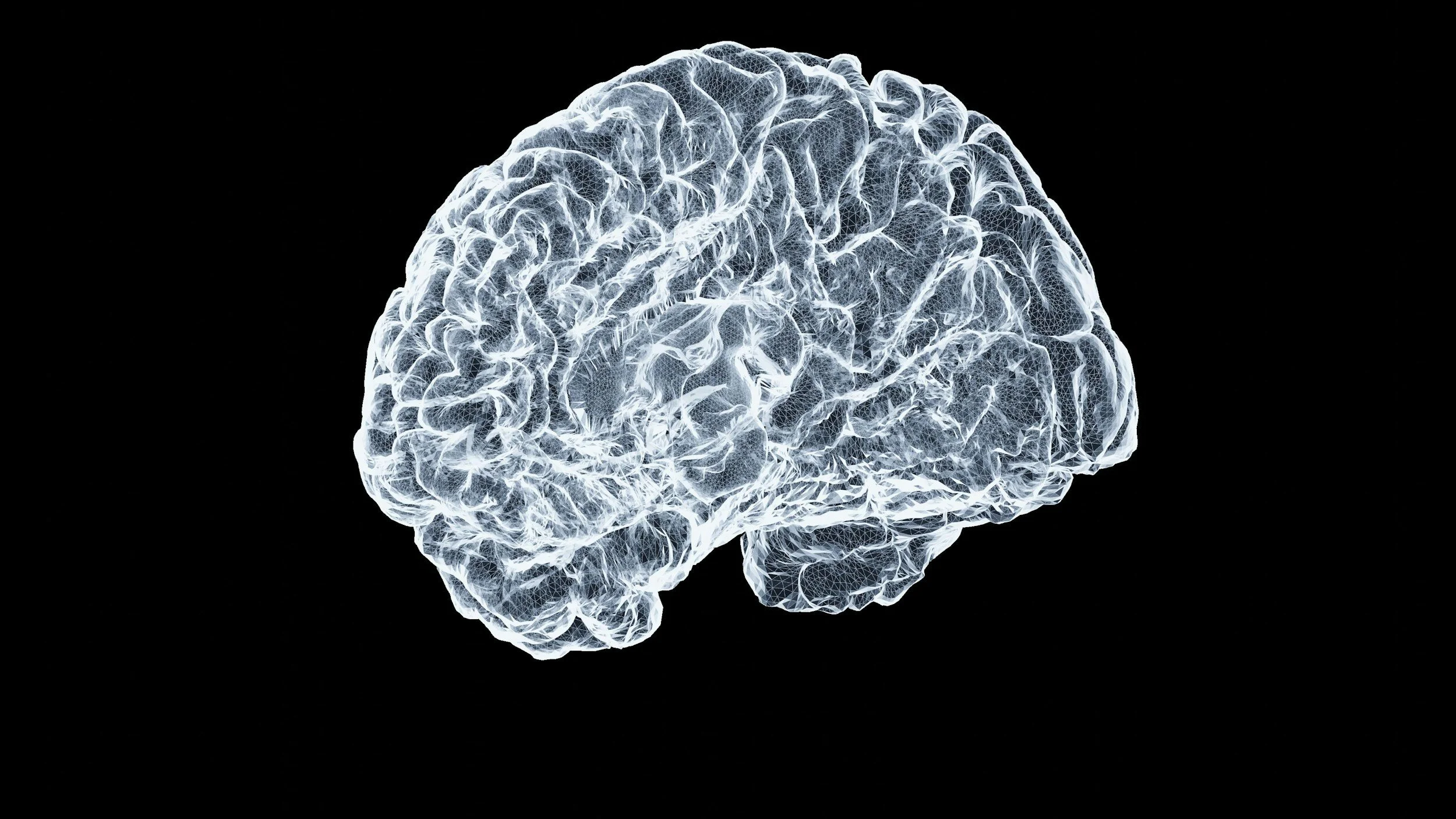
Most men think the answer to stopping pornography is simple: try harder. But compulsive porn use isn’t a discipline problem — it’s a brain problem. High-intensity porn rewires the reward system, dulls normal pleasure, and strengthens neural loops that chase relief, not pleasure. When stress, loneliness, pressure, rejection, or shame hit, the emotional brain overrides the rational one. Willpower can’t hold when the survival system is firing.
Compulsion sticks because it solves something deeper: emotional overwhelm, loneliness, attachment wounds, unresolved trauma, negative core beliefs, or the need to feel wanted. The brain pairs pain → relief → dopamine, and once that loop forms, it becomes automatic. You can block access temporarily, but if the drivers stay untouched, the cycle always finds its way back — especially under stress.
That’s why even strong, motivated men relapse. Not because they’re weak, but because they’ve been fighting the wrong part of their brain alone. Effective therapy works by lowering internal pressure, healing the emotional drivers, and retraining the habit loops so your prefrontal cortex — the part that chooses wisely — comes back online. This is how lasting transformation happens: by healing the roots, not just managing the behavior.